
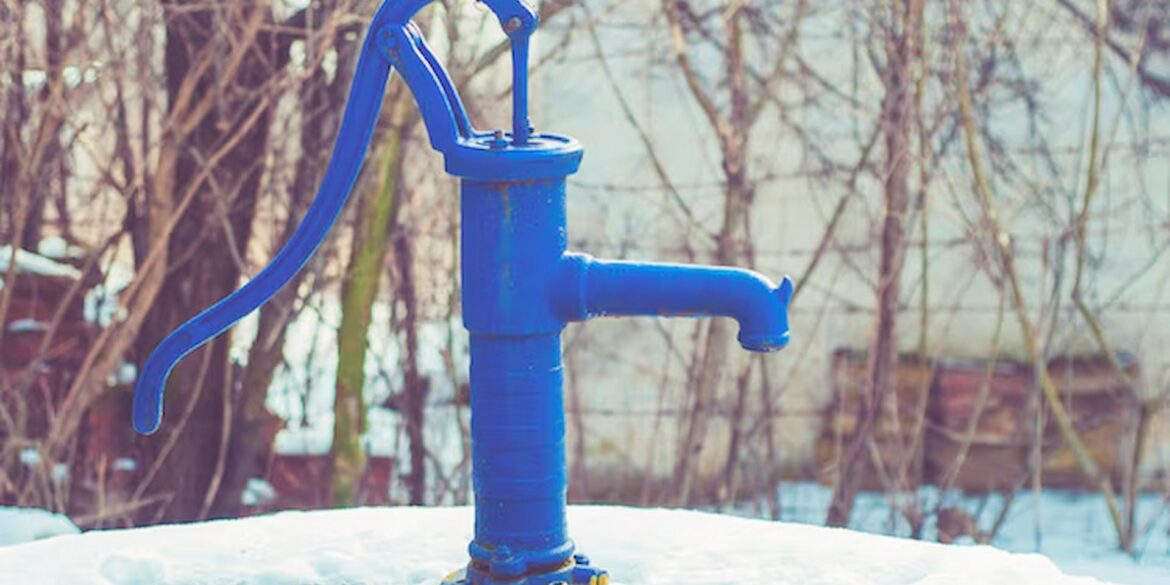
For many homeowners relying on a private well, water arrives reliably at the turn of a tap without much thought until something goes wrong. A sudden loss of pressure during a shower or an unexpectedly high electricity bill can quickly highlight how vital the well pump is to daily life. Regular attention to this hardworking component not only ensures a steady supply of water but can also prevent expensive disruptions.
Well pump services play a key role in this process, offering professional expertise that keeps systems running efficiently year after year. By investing a modest amount in routine care, households can avoid the far greater costs associated with emergency breakdowns or premature replacements.
The Financial Impact of Neglecting Your Well Pump
Well pumps typically last between eight and 15 years, though some may reach 20 years or more under ideal conditions. Factors such as water quality, usage patterns, and maintenance frequency heavily influence this lifespan. When pumps work harder than necessary—due to sediment buildup, worn parts, or pressure issues—they consume more electricity and wear out faster.
Studies and industry observations show that well-maintained pumps can use up to 30 percent less electricity, translating directly into lower utility bills. A neglected system, by contrast, may cycle on and off more frequently, strain the motor, and lead to higher energy costs over time. Emergency repairs or full replacements often run into thousands of pounds, especially when they involve pulling a submersible pump from deep underground or addressing secondary damage like contaminated water lines.
Beyond direct expenses, unreliable water affects everyday comfort and property value. Homes with consistent, high-quality water from a well system tend to hold greater appeal, while frequent issues can signal underlying neglect that deters buyers.
Key Benefits of Regular Well Pump Care
Routine maintenance delivers several tangible advantages that extend far beyond simply avoiding breakdowns.
First, it extends equipment life. Professional inspections can identify minor wear—such as damaged impellers or failing seals—before they escalate. This proactive approach often adds years to a pump’s service, delaying the need for costly new installations.
Second, it improves energy efficiency. A clean, well-adjusted pump operates more smoothly, reducing the electrical load. Over months and years, these small savings accumulate, particularly in households with high water demand.
Third, it safeguards water quality. Sediment, bacteria, or mineral deposits can enter the system if the well cap is compromised or the pump draws in debris. Regular checks help maintain sanitary conditions and support consistent flow without discolouration or unusual tastes.
Finally, maintenance provides peace of mind. Knowing your system has been professionally evaluated reduces the likelihood of inconvenient surprises, such as waking up to no water on a busy morning.
Warning Signs That Your Well Pump Needs Attention
Catching problems early is one of the most effective ways to control costs. Homeowners should stay alert to these common indicators:
- Fluctuating or reduced water pressure, especially noticeable during peak usage times.
- Strange noises—grinding, humming, clicking, or rattling—coming from the pump or pressure tank area.
- The pump running constantly or cycling on and off unusually frequently.
- Air sputtering from faucets or cloudy, sandy, or discoloured water.
- A sudden increase in electricity bills without a corresponding rise in household usage.
If any of these appear, prompt action can often resolve the issue before it leads to complete failure. Ignoring them typically results in more extensive—and expensive—repairs later.
A Practical Well Pump Maintenance Checklist
While some tasks require professional tools and expertise, homeowners can take several straightforward steps to support their system. Here is a useful checklist to guide ongoing care:
- Inspect the well cap and surrounding area monthly: Ensure it is secure, undamaged, and elevated above ground level to prevent surface water or debris entry. Keep vegetation, leaves, and snow clear.
- Monitor water pressure and flow: Note the normal range on your pressure gauge (typically 40–60 PSI). Report any gradual decline or sudden changes.
- Listen for unusual sounds: Stand near the pressure tank periodically and note any grinding, buzzing, or rapid cycling during normal use.
- Check for visible leaks: Examine pipes, fittings, and the tank for drips or dampness that could cause the pump to run unnecessarily.
- Test water quality annually: Arrange bacterial and nitrate testing, or more frequently if taste, odour, or appearance changes. Consider additional tests based on local conditions.
- Protect against freezing: In colder months, insulate exposed pipes and ensure the well area is sheltered from extreme weather.
These simple habits complement professional well pump services, creating a layered approach that maximises reliability.
When to Call Professionals for Well Pump Services
DIY checks have their limits, particularly with electrical components or submersible units. Qualified technicians bring specialised equipment to measure flow rates, amp draw, and pressure switch performance accurately. They can also clean or replace filters, adjust settings, and perform pressure tank diagnostics that are difficult for most homeowners.
Annual or biennial professional inspections are widely recommended. During these visits, experts assess the entire system, including the pump, tank, wiring, and controls. Many providers offer maintenance plans that spread costs evenly and prioritise prompt response if issues arise.
For those in rural or semi-rural areas, building a relationship with a trusted local service ensures faster help when needed and tailored advice based on regional water conditions.
Conclusion
Regular well pump care is far more than a precautionary measure—it is a practical strategy for protecting both your household budget and your daily comfort. By addressing small issues before they become major faults, homeowners can enjoy lower energy bills, longer equipment life, and a dependable water supply that supports everything from morning routines to garden watering.
The modest investment in routine maintenance and timely well pump services consistently pays dividends through avoided emergencies and extended system performance. Rather than waiting for the next disruption, taking a proactive stance ensures your well continues to serve reliably for years to come.