
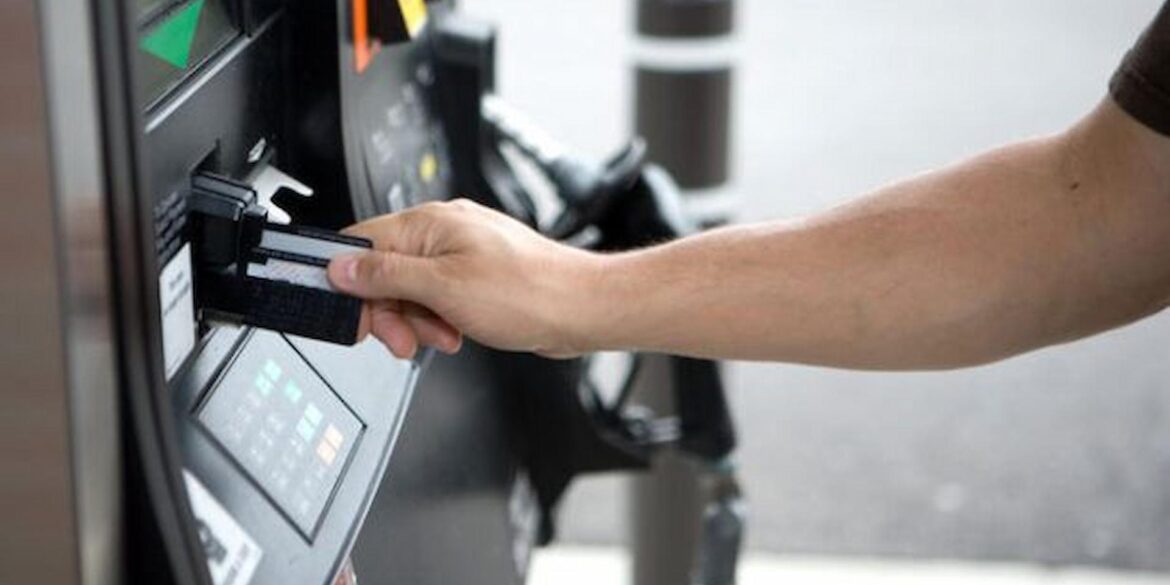
Managing a fleet involves striking the right balance between keeping operations efficient and controlling costs. One of the ongoing challenges for fleet managers, however, is maintaining strong driver accountability, particularly in relation to fuel usage. As digital solutions become more widely adopted, many businesses are turning to platforms like AI Corporation to access real-time data that reshapes how fleet activity is tracked and managed.
With real-time fuel card management data, companies gain instant visibility into driver behavior, fuel consumption trends, and transaction activity. Instead of relying on delayed reporting or manual processes, managers can respond immediately to irregularities, helping to minimize misuse, improve efficiency, and promote more responsible driving practices.
The Shift from Reactive to Proactive Fleet Management
Traditionally, fleet management relied heavily on retrospective analysis. Fuel receipts, expense claims, and periodic audits formed the backbone of oversight. While effective to a degree, this approach often identified issues only after costs had already escalated.
Real-time data changes this dynamic entirely. It enables fleet managers to monitor fuel usage as it happens, allowing them to detect anomalies instantly. Whether it is an unusually high fuel transaction or a purchase made outside authorised hours, these insights empower managers to intervene promptly.
This proactive approach not only reduces financial leakage but also establishes a culture of accountability among drivers. When individuals know their actions are visible in real time, they are more likely to adhere to company policies.
Enhancing Transparency Across the Fleet
One of the most significant advantages of real-time fuel card systems is the transparency they introduce. Every transaction is recorded with precise details, including time, location, fuel type, and amount.
This level of clarity removes ambiguity from fuel-related expenses. Fleet managers can easily verify whether a transaction aligns with a vehicle’s route or operational schedule. For example, fuel purchases made far from assigned routes can be flagged immediately, helping to identify potential misuse.
Transparency also benefits drivers. Clear records reduce disputes over expenses and ensure that all parties operate with a shared understanding of expectations.
Identifying and Preventing Fuel Misuse
Fuel misuse, whether intentional or accidental, can significantly impact operational costs. Real-time data provides a powerful tool to combat this issue.
By analysing transaction patterns, fleet managers can identify irregular behaviours such as:
- Frequent refuelling beyond expected consumption levels
- Purchases inconsistent with vehicle type or fuel capacity
- Transactions occurring outside working hours
These insights enable swift corrective action. In many cases, simply addressing the issue early prevents it from becoming a recurring problem.
Moreover, advanced systems can set automated alerts for suspicious activities. This ensures that potential misuse is not only detected but also addressed without delay.
Encouraging Responsible Driving Behaviour
Driver accountability extends beyond fuel purchases to include driving habits that influence fuel efficiency. Real-time data can reveal patterns such as excessive idling, aggressive acceleration, or inefficient route choices.
When drivers receive feedback based on actual data, they gain a clearer understanding of how their behaviour affects fuel consumption. This creates an opportunity for targeted training and improvement.
Over time, these behavioural adjustments lead to measurable benefits, including reduced fuel costs, lower emissions, and improved vehicle longevity. Importantly, drivers become active participants in achieving operational efficiency rather than passive contributors.
Streamlining Administrative Processes
Manual expense reporting and reconciliation can be time-consuming and prone to error. Real-time fuel card management systems simplify these processes by automating data collection and reporting.
Transactions are recorded digitally, eliminating the need for paper receipts and manual data entry. This not only reduces administrative workload but also improves accuracy.
For finance teams, the availability of real-time data means faster reconciliation and more reliable budgeting. For fleet managers, it translates into more time spent on strategic decision-making rather than routine paperwork.
Strengthening Policy Compliance
Clear policies are essential for maintaining accountability, but enforcing them consistently can be challenging. Real-time data provides the tools needed to ensure compliance across the fleet.
Rules such as fuel limits, authorised locations, and transaction timings can be integrated into the system. Any deviation from these parameters is immediately flagged, allowing managers to address non-compliance effectively.
This approach reinforces the importance of adhering to company guidelines while reducing the need for constant manual oversight.
Leveraging Data for Continuous Improvement
Beyond immediate accountability, real-time fuel data offers valuable insights for long-term optimisation. By analysing trends over time, businesses can identify opportunities to improve efficiency and reduce costs.
For instance, recurring patterns in fuel consumption may highlight inefficiencies in routing or vehicle allocation. Addressing these issues can lead to significant savings.
Additionally, data-driven decision-making supports more informed investments, whether in vehicle upgrades, driver training programmes, or route planning technologies.
Building Trust and Accountability Culture
Introducing real-time monitoring is not solely about control; it is also about fostering trust and accountability within the organisation. When implemented transparently, these systems demonstrate a commitment to fairness and efficiency.
Drivers understand that expectations are clear and consistently applied. At the same time, managers gain confidence in the accuracy of the data they rely on.
This mutual understanding creates a more collaborative working environment, where accountability is seen as a shared responsibility rather than a top-down enforcement mechanism.
Conclusion
Real-time fuel card management data represents a significant advancement in fleet management. By providing immediate visibility into fuel usage and driver behaviour, it enables businesses to move from reactive oversight to proactive control.
The benefits extend beyond cost savings. Enhanced transparency, improved compliance, and stronger accountability contribute to a more efficient and reliable fleet operation.
As organisations continue to seek ways to optimise performance, adopting real-time data solutions is no longer a luxury but a practical necessity. With the right systems in place, businesses can not only manage their fleets more effectively but also build a culture where accountability drives long-term success.