
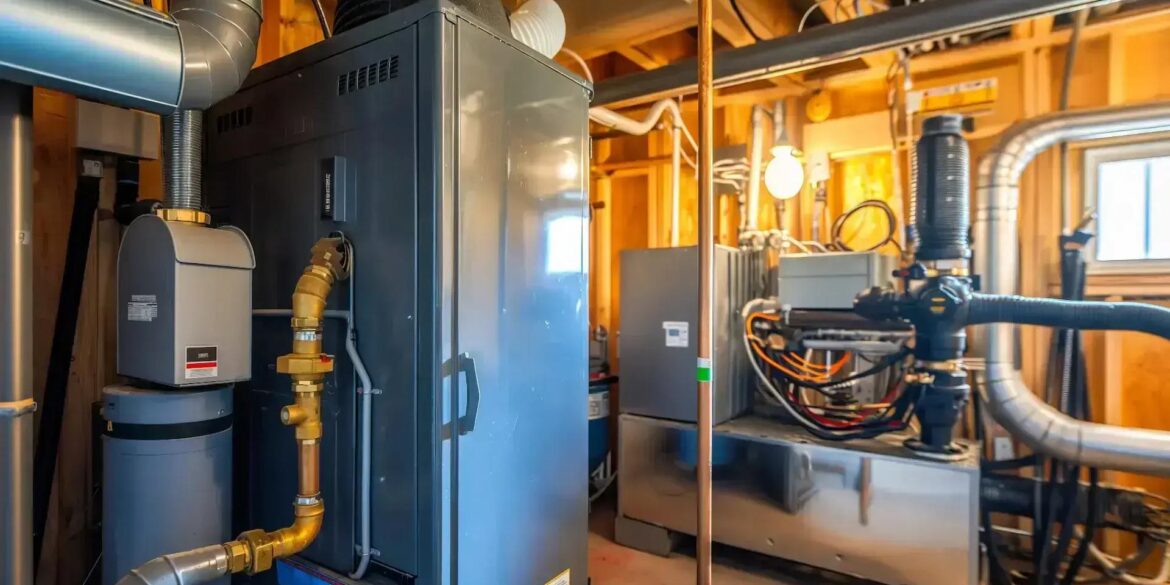
As the autumn chill transitions into the freezing temperatures of winter, ensuring your residential and commercial heating systems are operating perfectly becomes a top priority. A new heating unit is a major investment that directly impacts your monthly utility bills, indoor air quality, and daily productivity. Finding the best furnace installation company is essential for ensuring your equipment is sized accurately and integrated seamlessly into your existing ductwork setup.
Selecting a contractor requires looking beyond the lowest price quote to evaluate their technical expertise, industry licensing, and local reputation. A poorly installed system will consume excessive energy, experience frequent mechanical breakdowns, and fail to distribute heat evenly through your rooms. Taking a structured approach to vetting local professionals protects your investment and guarantees long-term home comfort and reliable office climate management.
Verifying Essential Credentials and Professional Expertise
The initial phase of your search must focus on verifying the legal and professional standing of potential mechanical contractors. Any business you invite onto your property should possess valid state licensing, comprehensive liability insurance, and workers’ compensation coverage. These credentials protect you from financial liability in the event of an accidental injury or structural damage during the physical setup process.
Furthermore, look for teams whose technicians hold NATE (North American Technician Excellence) certifications, which indicate a high level of specialized HVAC training. Partnering with the best furnace installation company guarantees that your project complies with all local building codes and manufacturer warranty specifications. Experienced companies will always provide a detailed written contract outlining the scope of work, equipment models, and project timelines clearly.
Evaluating Technical Diagnostic and Sizing Practices
High-quality heating specialists never estimate your building’s heating requirements based on guesswork or simple square footage formulas. True professionals perform a comprehensive Manual J Load Calculation to determine the precise BTU capacity your space demands. This detailed assessment takes into account your specific insulation levels, window orientations, ceiling heights, and local weather patterns to optimize your climate control setup.
- Sizing Accuracy: Accurate calculations prevent short-cycling in oversized units and continuous strain in undersized systems.
- Ductwork Inspection: Technicians check your existing distribution lines for hidden air leaks or structural blockages.
- Ventilation Analysis: Ensuring proper exhaust configurations is critical for preventing dangerous carbon monoxide accumulation indoors.
- Energy Management: Proper capacity selection maximizes the efficiency of variable-speed blower motors and smart thermostats.
- Structural Compatibility: The layout assessment ensures the physical unit fits safely within your mechanical closet or basement.
Assessing Commercial vs. Residential Capabilities
It is important to recognize that commercial heating needs differ significantly from residential configurations. Office buildings often require zoned setups and complex ventilation designs to manage larger occupant densities and electronic heat loads effectively. When interviewing local companies, ensure they possess documented experience handling both residential properties and commercial properties successfully throughout your region.
Reviewing Transparent Pricing and Warranty Commitments
A reputable heating contractor prioritizes financial transparency and provides comprehensive estimates rather than vague verbal quotes. These itemized proposals should break down the costs of equipment, labor, permits, and any necessary ductwork adjustments completely. This transparency protects you from unexpected fees or sudden price adjustments once the mechanical setup has already begun on your property.
- Extended Parts Warranties: Top contractors provide systems backed by ten-year manufacturer parts warranties for long-term protection.
- Labor Guarantees: Look for companies that offer a minimum of a one-year warranty on their installation workmanship.
- Maintenance Inclusions: Many high-quality businesses bundle the initial year of routine filter care and system inspection.
- Emergency Assistance: Prioritize companies that offer priority scheduling and 24/7 service for unexpected winter breakdowns.
- Efficiency Rebates: Experienced teams help you secure local utility rebates and federal energy-efficiency tax credits easily.
Analyzing Customer Reviews and Local Reputation
Examining independent online review platforms provides valuable insights into a company’s consistency, communication style, and after-care service. Pay close attention to how a business responds to customer feedback and resolves occasional project issues. A long history of positive testimonials from local homeowners and business managers is a strong indicator of reliable service and high-quality workmanship.
The Role of Upkeep in Preserving System Efficiency
Once your new high-efficiency heating system is installed, maintaining its performance depends heavily on consistent preventative care. Establishing a routine service plan with your chosen contractor keeps your furnace operating at its peak SEER2 and annual fuel utilization efficiency ratings. This proactive approach minimizes internal component wear, extends equipment lifespan, and stabilizes your monthly energy expenses.
Changing air filters monthly is the simplest habit you can adopt to safeguard your new equipment from dust accumulation. Clogged filters restrict airflow, forcing the blower motor to draw more electricity and run longer, inefficient cycles. Regular professional tune-ups ensure that electrical connections stay tight, sensors remain clean, and the heat exchanger stays free of hairline cracks.
Closing Remarks
Choosing the right furnace installation company requires careful verification of licensing, technical sizing practices, and transparent pricing models. Prioritizing NATE-certified technicians and accurate load calculations prevents mechanical strain and minimizes your winter energy expenses. Entrusting your project to the best furnace installation company ensures your system operates safely, protects your manufacturer’s warranties, and enhances long-term indoor air quality. Staying proactive in your search guarantees an efficient, reliable heating system that provides absolute peace of mind and total comfort for your home and office.