


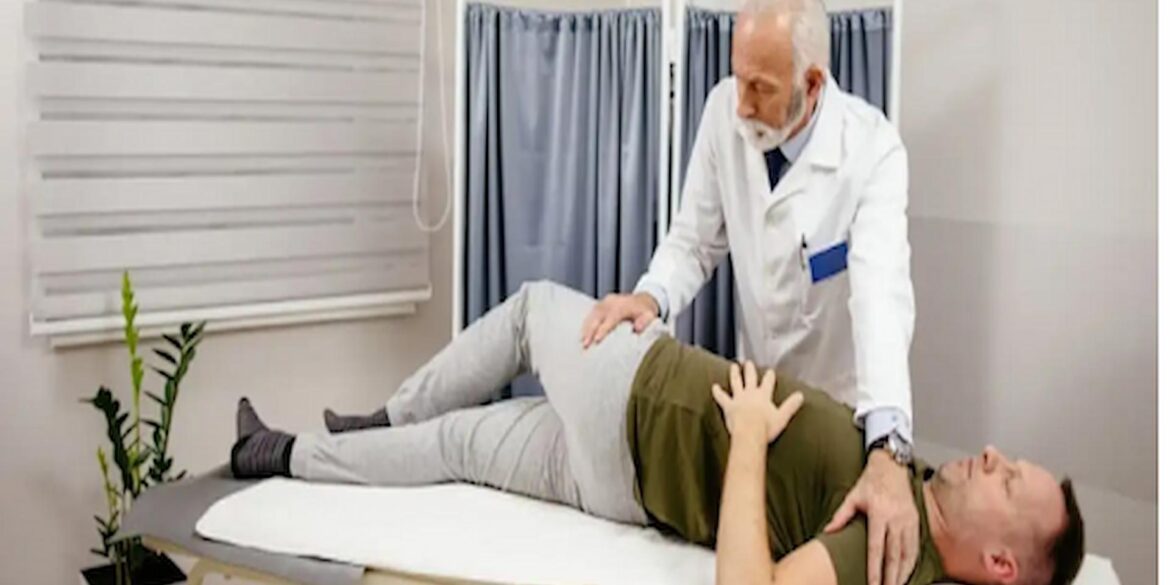
Athletes often view warmups and cooldowns as optional, but after spine surgery, they are essential. Returning to sport or regular training after spine surgery calls for a renewed focus on preparation and recovery practices. Dr. Larry Davidson, a specialist in the field, explains that warmups and cooldowns are essential components of a safe and sustainable routine. These sessions activate protective neuromuscular pathways, promote flexibility and help reduce the risk of reinjury. Skipping these steps, he notes, can undermine recovery progress and place unnecessary stress on the spine.
For athletes eager to resume high-level activity, warmups and cooldowns may feel optional. However, they are non-negotiable tools that support long-term spinal health and performance. They help create conditions for success before activity begins, and aid recovery when the work is done.
The Purpose of Warmups After Spine Surgery
Warmups prepare the body for physical activity by gradually increasing blood flow, elevating muscle temperature and activating key muscle groups. After spine surgery, warmups play an even more important role by engaging in stabilizing muscles and reinforcing efficient movement patterns, before loading begins. This phase helps wake up the neuromuscular systems that protect the spine during sports or training.
A well-designed warmup targets the entire kinetic chain, including the deep core muscles, glutes, hips, shoulders and limbs. The aim is to prime the body for the demands of the upcoming session, while reducing stiffness and compensatory movement patterns. Warmups also provide an opportunity to mentally focus and check in with the body, noting any tightness or discomfort that may require adjustments to the session plan.
Components of an Effective Warmup
An effective warmup after spine surgery typically follows a stepwise progression. It begins with a general movement to elevate the heart rate and promote circulation. It may include gently walking, cycling or using an elliptical machine for five to 10 minutes.
Next, athletes move into dynamic mobility exercises that target key joints and muscle groups. Examples include hip circles, arm swings and controlled spinal rotations, performed within a pain-free range. These movements promote flexibility and prepare tissues for more complex tasks.
Finally, neuromuscular activation drills engage the core and stabilizers. Exercises such as bird dogs, glute bridges and standing balance work reinforce trunk control and alignment. These movements should be performed with focus and precision, as their primary goal is to set the stage for safe, coordinated activity.
The Role of Cooldowns in Recovery
Cooldowns transition the body from activity back to a resting state. They help gradually lower heart rate, promote circulation for tissue recovery and support flexibility through controlled movement and stretching. After spine surgery, cooldowns also play a critical role in maintaining range of motion and preventing post-activity stiffness.
Cooldowns provide a window for athletes to reflect on how their bodies responded to the session. This time can be used to identify any areas of tightness, fatigue or discomfort that may need attention before the next workout.
Elements of a Smart Cooldown
A smart cooldown starts with gentle movement to ease the body out of high-intensity activity. It might involve walking or light cycling at an easy pace for five to 10 minutes. The goal is to help normalize breathing and heart rate, while promoting blood flow.
Following this, athletes should focus on gentle stretching and mobility. Emphasis is placed on the hips, hamstrings, thoracic spine and shoulders, areas that often bear increased load during sport. Stretches should be controlled and held for 20 to 30 seconds, avoiding any positions that place strain on the surgical area.
Cooldowns may also include deep breathing exercises to promote relaxation and support nervous system recovery. This practice helps reduce tension that can be built during demanding sessions, and reinforces the connection between the body and breath.
Neuromuscular Activation: A Key Focus
Both warmups and cooldowns offer critical opportunities to reinforce neuromuscular activation patterns that protect the spine. After surgery, it is common for stabilizing muscles to become underactive or for compensatory patterns to develop. Regularly practicing focused activation exercises helps rebuild balanced movement and reduces reliance on less efficient strategies.
Movements such as side planks, bird dogs and standing single-leg balance drills should be performed slowly, and with control. The goal is not to fatigue muscles, but to wake them up and remind the body how to move well.
Common Mistakes to Avoid
Several common mistakes can reduce the effectiveness of warmups and cooldowns after spine surgery. Rushing through these sessions or treating them as a formality can lead to incomplete preparation or recovery. Skipping activation work may allow compensations to persist, increasing the risk of reinjury.
Another pitfall is relying too heavily on static stretching during warmup. While flexibility work has its place, the primary goal of a warmup is to prepare the body for dynamic activity through movement and muscle engagement. Static stretches are better suited to the cooldown phase, where the focus is on relaxation and recovery.
Dynamic warmup exercises, such as leg swings, arm circles and light jogging, help increase blood flow and activate the nervous system. This approach not only enhances performance but also reduces the risk of injury. Incorporating sport-specific movements into the warmup further ensures that the body is ready for the demands of the activity ahead.
Integrating Warmups and Cooldowns into Every Session
Athletes should view warmups and cooldowns as essential bookends to every workout or practice. These phases need not be long or complicated, but they must be intentional. Even 10 to 15 minutes dedicated to preparation and recovery can make a significant difference in protecting spinal health and supporting performance.
Dr. Larry Davidson emphasizes consistency is key. The cumulative effect of well-executed warmups and cooldowns builds resilience over time, and helps athletes maintain the gains made during rehabilitation. Incorporating these practices as a standard part of training helps ensure they are not overlooked in the rush to start or finish a session.
The Long-Term Payoff
Warmups and cooldowns may seem simple, but they offer lasting value for athletes recovering from spine surgery. By prioritizing these practices, athletes support their spinal health, reduce the risk of reinjury and create a foundation for sustainable performance. Over time, these small investments in preparation and recovery pay dividends in the form of better movement, greater confidence and fewer setbacks.
Making warmups and cooldowns a consistent part of training helps athletes stay connected to their bodies and more aware of subtle changes in how they move or feel. This awareness becomes a powerful tool for early intervention, allowing small issues to be addressed before they escalate. When athletes carry these habits forward, they not only protect their recovery investment but also gain long-term tools for peak performance and injury prevention.