
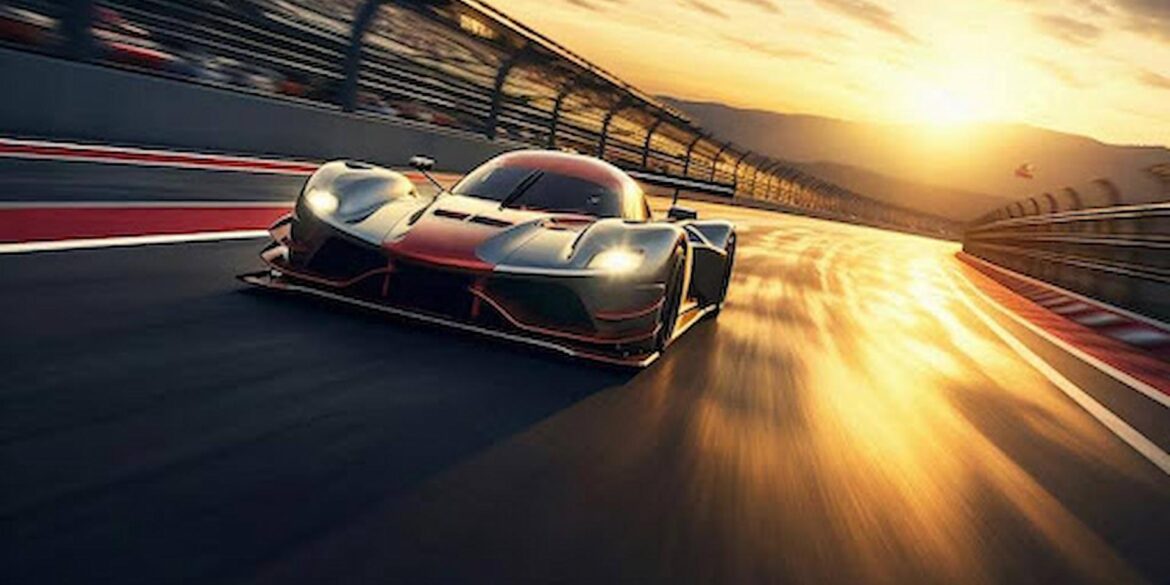
Sim racing isn’t just a game anymore—it’s transforming how professional drivers train. With cutting-edge simulators and hyper-realistic software, sim racers are now bridging the gap between virtual tracks and real-world circuits. From F1 pros to grassroots racers, this revolution in motorsport training is reshaping the future of competitive driving. Dive into how sim racing is changing the motorsport industry forever.
Motorsport has always been a domain where precision, skill, and reflexes define winners. But the way drivers are honing these skills is undergoing a digital revolution. Enter the world of sim racing—a technological marvel that’s redefining motorsport training.
Gone are the days when only expensive track days and real-world testing sharpened a driver’s abilities. Today, a Sim Racer sitting in their home setup can experience near-identical race conditions to what professional drivers face on the track.
What is Sim Racing?
Sim racing, short for simulation racing, involves using advanced software and hardware to replicate real-life motorsport scenarios. Unlike casual racing games, sim racing focuses on realistic physics, car dynamics, and track conditions.
From high-end motion simulators to detailed virtual circuits, every element is crafted to mimic the nuances of actual racing. Platforms like iRacing, Assetto Corsa, and rFactor 2 have become essential tools for both amateur enthusiasts and professional racing teams.
The Rise of Sim Racers in Professional Motorsport
A decade ago, sim racing was seen as a hobbyist’s playground. But today, it’s a legitimate training ground. Many professional drivers, including Formula 1 champions, use simulators to prepare for upcoming races.
Sim racers are now being scouted for real-world competitions. Take, for example, the success stories from Nissan’s GT Academy, where sim racers transitioned to winning international motorsport titles.
The skills developed on a simulator—such as track memorisation, racing lines, throttle control, and situational awareness—translate directly to real racing.
How Sim Racing is Changing Motorsport Training
1. Cost-Effective Training Solution
Real-world track time is expensive. Fuel costs, tire wear, logistics, and car maintenance can run into thousands per session. Sim racing, on the other hand, offers unlimited practice at a fraction of the cost.
Drivers can simulate hundreds of laps without worrying about damage or budget constraints. This democratizes access to quality training, allowing up-and-coming drivers to refine their skills without financial barriers.
2. Safe Learning Environment
Mistakes in real racing are costly and dangerous. Sim racing allows drivers to push their limits in a risk-free environment. They can experiment with aggressive driving strategies, practice overtaking, and perfect cornering techniques without fear of crashes.
This encourages drivers to learn faster and develop better instincts, which are crucial when competing at higher levels.
3. Data-Driven Performance Analysis
Simulators provide detailed telemetry data—braking points, steering angles, throttle input, lap times, and more. This data-driven approach enables drivers and coaches to analyse performance minutely.
Adjustments can be made in real-time, and progress can be tracked scientifically. In professional motorsport, where milliseconds count, this analytical edge is invaluable.
4. Adaptation to Changing Track Conditions
Modern sim racing platforms incorporate dynamic weather systems and tire degradation models. Drivers can practice under varying conditions—wet tracks, low-grip surfaces, and fluctuating temperatures.
This prepares them for the unpredictable nature of real-world racing, enhancing their adaptability and confidence.
5. Mental Conditioning and Focus
Racing isn’t just about physical skills; mental resilience plays a crucial role. Sim racing replicates the intense concentration required in actual races. Long endurance sessions, time trials, and competitive multiplayer races condition a driver’s focus, reaction time, and stress management.
Bridging the Gap: Sim Racing Technology
The technological advancements in sim racing are staggering. High-end motion rigs simulate g-forces, force feedback steering wheels replicate the feel of tire grip, and virtual reality headsets provide immersive cockpit views.
Professional racing teams invest in bespoke simulators tailored to their cars’ specifications. These simulators allow engineers to test car setups, fine-tune aerodynamics, and train drivers on upcoming circuits—all in a virtual environment.
Moreover, software platforms continuously update their car physics to reflect real-world changes. This ensures that sim racers are always practising on the most realistic models available.
Sim Racing as a Talent Pipeline
Sim racing has become a breeding ground for new talent. Young drivers without access to karting circuits can start their careers in the virtual realm. Competitions like the F1 Esports Series, Porsche Esports Supercup, and Gran Turismo World Tour offer global recognition and real-world racing opportunities.
Many racing academies now incorporate sim racing as a fundamental part of their driver development programs. Scouting for the next motorsport star is no longer limited to karting championships; it extends to leaderboards on sim racing platforms.
The Future of Motorsport Training: Virtual to Reality
As technology continues to evolve, the line between virtual racing and actual motorsport will blur even further. AI-driven coaching, hyper-realistic vehicle dynamics, and even haptic suits are being developed to enhance training experiences.
Hybrid training models, combining real track time with virtual practice, will become the standard. This integrated approach not only optimises driver performance but also reduces environmental impacts by minimising unnecessary on-track testing.
Why Sim Racing is Here to Stay
The ongoing digital transformation of motorsport ensures that sim racing will remain at the forefront of driver training. Its affordability, safety, and technological precision make it indispensable for teams aiming for competitive advantage.
Sim racers are no longer just gamers; they are athletes honing their craft in the digital realm before translating those skills to asphalt circuits worldwide.
In the coming years, expect more professional drivers to emerge from sim racing backgrounds, bringing a new era of digitally trained, data-savvy racers to the forefront of motorsport.
In Summary
Sim racing has evolved from a niche hobby into a powerful training tool that is reshaping the motorsport landscape. With its realistic physics, cost-effective access, and data-driven insights, it offers drivers a unique platform to sharpen their skills in a safe and controlled environment. The rise of sim racers entering professional circuits proves that virtual racing is no longer just a game—it’s a critical stepping stone in a driver’s journey.